Thursday, June 15, 2023

Aluminum Pan Roof: Cost, Installation Process, Advantages, Disadvantages, and Weather Suitability


For homeowners looking for a long-lasting and adaptable roofing option, an aluminum pan roof is a popular option. This kind of roof offers many benefits, including cost-effectiveness, ease of installation, and weather suitability. The most important aspects of aluminum pan roofs will be discussed in this article, including their cost, installation procedure, advantages and disadvantages, and weather resistance.

Table 1: Comparison of Aluminum Pan Roof vs. Other Roofing Materials

Aluminum Pan Roof

Concrete Tile Roof

Asphalt Shingle Roof

Durability

Excellent

Moderate

Good

Weight

Lightweight

Heavy

Moderate

Design Options

Versatile

Limited

Limited

Energy Efficiency

High

Moderate

Low

Maintenance

Low

Moderate

Moderate

Fire Resistance

Excellent

Poor

Good

Environmental

Recyclable

Non-Recyclable

Non-Recyclable

 Cost of Aluminum Pan Roofs:

Cost is an important factor when looking at roofing options. In general, aluminum pan roofs are less expensive than other roofing materials like slate or clay tiles. The exact cost will be determined by several factors, including your location, the complexity of the design, and the size of the roof. An aluminum pan roof costs $7 to $13 per square foot on average, making it an affordable choice for many homeowners.

Table 2: Comparison of Roofing Materials

Roofing Material

Cost per Square Foot

Durability

Weight

Energy Efficiency

Aluminum Pan

$7-$13

High

Light

High

Tiles

$10-$20

High

Heavy

Medium

Slate

$20-$30

High

Heavy

Low

Asphalt Shingles

$2-$6

Medium

Light

Medium

Note: The costs mentioned in the table are approximate and may vary based on location and other factors.

Installation Method:

When compared to more complicated roofing systems, installing an aluminum pan roof is relatively simple. Following is a brief explanation of the installation process.:

  • Preparing the Roof: The current roof is examined for any necessary modifications or repairs. The aluminum pan roof must have a solid and stable foundation.
  • Construction of Framework: To provide the aluminum pan panels with support and structural integrity, a framework of support beams and rafters is constructed.
  • Installing a Pan Panel: The framework is securely fastened to the aluminum pan panels, which come in a variety of sizes and designs. The panels' interlocking construction ensures a watertight seal and makes installation simple.
  • Installation of the trim and flashing: To stop water from leaking out of chimneys or vents, flashing is added around them. The roof is finished and polished by installing trim.

Benefits of Aluminum Pan Roofs:

  1. Longevity: Aluminum is a material that lasts a long time and can withstand harsh weather like heavy rain, snow, and strong winds.
  2. Lightweight: Because it is lighter than other roofing materials, aluminum places less stress on your home's structure.
  3. Simple to Maintain: Aluminum pan roofs require negligible support, settling on them a convenient option for homeowners.
  4. Energy conservation: Because it reflects heat, aluminum conserves energy and keeps your home cool during the hot summer months.
  5. Flexibility: Aluminum pan roofs are available in a wide range of colors and designs, allowing you to select a design that complements the aesthetics of your home.

Drawbacks of Aluminum Pan Roofs:

  1. Denting: Despite its durability, aluminum is still susceptible to denting when struck by a heavy object.
  2. Noise: During hail or heavy rain, aluminum roofs can be noisy. But the right insulation can help reduce this problem.
  3. Repair costs: Repairing an aluminum pan roof can be more expensive than repairing other roofing materials in case of damage.
  4. Suitability of Weather: Aluminum pan roofs are extremely adaptable to a variety of weather conditions. The following are some of their primary weather-related benefits:

  • Waterproof: A watertight barrier is created by the interlocking design of aluminum pan panels, preventing water penetration and leaks.
  • Resistance to Rust and Corrosion: Because of its inherent resistance to rust and corrosion, aluminum is an excellent option for coastal and humid regions.
  • Resistance to Wind: Strong winds can withstand aluminum pan roofs, which provide stability and protection during storms.

Conclusion:

Aluminum pan roofs are a cost-effective, long-lasting, and adaptable roofing option for homeowners. They are a popular choice for many because they are simple to install, require low maintenance, and can withstand a variety of weather conditions. The advantages outweigh the drawbacks for most homeowners, including the possibility of denting and noise during storms. If you want a roof for your home that will last for a long time and looks good, think about installing an aluminum pan roof.
Tuesday, June 13, 2023

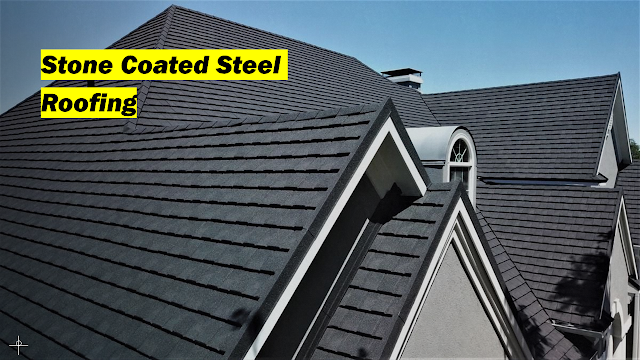
Stone Coated Steel Roofing: Installation, Cost, Advantages and Disadvantages

Stone coated steel roofing or stone coated steel roof is a well-known roofing material that consolidates the durability and strength of steel with the tasteful allure of stone. Numerous advantages make this innovative roofing solution a viable option for both homeowners and builders. We'll talk about stone coated steel roofing, how to install it, how much it costs, and its advantages and disadvantages in this article.

What is Stone Coated Steel Roofing?

A type of roofing material called stone coated steel roofing has a steel core that is coated with a layer of stone chips and an acrylic film. The stone chips are typically produced using normal rock or basalt, giving an attractive and natural look to the roof. It is a long-lasting option for any climate because the steel core ensures exceptional durability and resistance to harsh weather conditions.

Method of Installation:

The installation of stone-coated steel roofing is carried out in a precise manner to guarantee its stability and durability. Here is a simplified outline of the installation method:

  •         Preparing the Roof: The surface is cleaned and prepared for the installation, and the existing roof is checked for any repairs that need to be made.
  •          Installing the Underlayment: The roof deck is covered with a waterproof underlayment to further shield it from moisture.
  •         Installing the Battens: Over the underlayment, wooden battens are securely fastened, forming a framework for the stone-coated steel panels.
  •          Placing the Panel: To ensure a secure fit, the stone-coated steel panels are carefully aligned and secured with screws or clips to the battens.
  •         Installation of the Ridge Cap: Installing ridge caps, which are made for stone-coated steel roofing, along the roof's ridges gives it a finished look and stops water from getting in.

Cost:

The cost of stone covered steel material can differ depending upon a few factors like the size of the roof, area, complexity of the installation, and the chosen brand. Materials and installation included the cost can range anywhere from $10 to $15 per square foot on average. Stone coated steel roofing is a more expensive option in the long run than traditional asphalt shingles because of its long lifespan and low maintenance requirements.

Advantages of Stone Coated Steel Roofing:

  •         Durability: Stone-coated steel roofing has a lifespan of at least 50 years and provides exceptional durability. It is profoundly impervious to breaking, distorting, and erosion, guaranteeing it can withstand extreme atmospheric conditions.
  •      Aesthetics: The roofing panels' stone chips give the impression of traditional roofing materials like slate or clay. It lends a touch of class and appeal to any home.
  •          Energy conservation: Stone coated steel roofing often comes with a reflective coating that helps to reduce heat absorption, resulting in lower energy costs for cooling the house.
  •         Resistance to Fire: Stone chips add an additional layer of fire resistance, and steel is ignitable. Stone coated steel roofing is safer than other roofing materials because of this.

Disadvantages of Stone Coated Steel Roofing:

  •         Higher Initial Cost: Stone-coated steel roofing can be more expensive to install than traditional roofing materials, which may put off some homeowners.
  •         Noise: Stone-coated steel roofing can make more noise than other types of roofing when there is a lot of rain or hail. However, this can be mitigated by installing the appropriate insulation.
  •       Installation Complexity: Stone-coated steel roofing installation requires specialized skills and knowledge. It is prescribed to recruit professional installers to ensure proper installation and maximize its advantages.

Conclusion:

Stone coated steel roofing offers a compelling combination of energy efficiency, durability, and aesthetics. For homeowners looking for a roofing solution that can stand the test of time, its distinctive design and long lifespan make it an appealing option. It is a worthwhile investment, despite the higher initial cost and low maintenance requirements. If you want to know if stone coated steel roofing is right for your home, you should think about consulting with experts in the field of roofing.

Sunday, June 11, 2023

Enhancing Durability and Elegance: Exploring Glass Roof and Metal Roof Sealant

When it comes to roofing systems, metal roofs sealant and glass roofs have acquired enormous popularity because of their strength, style, and energy proficiency. However, regular maintenance is essential to ensure their longevity and peak performance. The application of metal roof sealant and proper care for glass roofs are two crucial aspects of roof maintenance. We will examine the significance of metal roof sealant and glass roof maintenance in this comprehensive guide, examining their advantages, application methods, frequently asked questions, and expert recommendations.

The Importance of Metal Roof Sealant:

Understanding Metal Roof Sealant:

A protective coating made specifically for metal roofs is metal roof sealant. It goes about as a hindrance against dampness, UV beams, and other natural factors that can make harm the roof's surface. A waterproof seal is provided by metal roof sealants, which are typically made of silicone, acrylic, or polyurethane to stop leaks.

Metal Roof Sealant's Advantages:

  1. Enhanced Waterproofing: Metal roof sealant forms a watertight obstruction, forestalling water penetration and leaks.
  2. UV Blocking: Metal roofs are constantly exposed to sunlight, which has the potential to prematurely deteriorate them. Heat absorption is reduced by UV-protected sealants that shield the metal surface from harmful rays.
  3. Improved Longevity: By protecting the metal roof from harm, sealants can fundamentally broaden its life expectancy.
  4. Improved Energy Efficiency: Heat transfer is reduced by reflective metal roof sealants, resulting in lower energy consumption and costs.

Methods for Applying Metal Roof Sealant:

Cleaning and Preparation:

It is essential to thoroughly prepare and clean the area before applying metal roof sealant. Debris, dirt, and any other loose material must be removed from the roof surface. To ensure proper adhesion, the surface must be dry and clean.

Choosing the Right Sealant for Your Metal Roof:

For the best results, you need to choose the right sealant. Think about variables like the roof material, natural circumstances, and the prerequisites of your project. To ensure that you select the appropriate sealant, consult a roofing professional or the instructions provided by the manufacturer.

Sealant Application:

Follow these steps for a successful application:

  • Use a brush or roller to apply the sealant uniformly across the metal roof surface.
  • Pay special attention to seams, joints, and fasteners, as these areas are inclined to spills.
  • To avoid sagging or pooling and to ensure proper adhesion, apply multiple thin coats rather than a single thick layer.
  • Allow adequate drying and restoring time as suggested by the maker.

Maintenance of Glass Roofs

Understanding Glass Roofs:

Glass roofs are attractive to the eye and let natural light into indoor spaces. They are normally used in conservatories, skylights, and modern architectural designs. To keep their clarity, structural integrity, and overall beauty, they must be properly maintained.

 Advantages of Glass Roofs:

  1. Normal Light: Glass roofs maximize the passage of regular light, decreasing the requirement for artificial lighting during the day.
  2. Aesthetics: Glass roofs give any building a touch of modernity and elegance.
  3. Energy conservation: Best quality glass with thermal insulation properties controls indoor temperatures, decreasing dependence on warming and cooling systems.

Taking Care of Glass Roofs:

Regular Inspection and Cleaning:

Consistently clean your glass roof to keep up with its immaculate appearance. Use a soft cloth or non-abrasive sponge and mild detergent or glass cleaner. Sharp chemicals and materials that could scratch or harm the glass should be avoided. Additionally, carry out routine inspections to look for any indications of leaks, cracks, or other problems.

Preventing Damage and Scratches:

Take precautions to keep your glass roof from getting scratched or damaged:

  • Unless the roof surface is specifically designed for foot traffic, do not walk on it.
  • To prevent branches from rubbing against the glass in strong winds, trim nearby trees.
  • To stop birds from scratching the glass or droppings, install bird deterrents.

Conclusion:

Metal and glass roofs need to be maintained and looked after in the right way to get the most out of their performance, longevity, and aesthetic appeal. Metal roof sealant extends the lifespan of the roof and protects it from UV damage and leaks. Glass roofs' clarity and structural integrity are preserved by regular cleaning and preventative measures. You can ensure that your metal and glass roofs remain in excellent condition and provide long-term benefits by adhering to the recommendations in this comprehensive guide.

FAQs About Glass Roofs and Metal Roof Sealant

1.What is the lifespan of a metal roof sealant?

The quality of the sealant, the environment, and regular maintenance all have an impact on lifespan of a metal roof sealant. Overall, a very well applied metal roof sealant can last between 10 to 20 years.

2. Can metal roof sealant be applied to existing roofs?

Indeed, metal roof sealant can be applied to existing roofs. However, for effective adhesion, proper cleaning and preparation are essential. To assess the state of your roof and determine whether sealant application is appropriate, consult a professional.

3. Should a glass roof be cleaned on a regular basis?

Glass roofs should be cleaned twice a year, more often if they are in areas with a lot of pollution, dust, or debris. Cleaning it on a regular basis helps to keep its clarity and prevents dirt buildup, which can block natural light.