Tuesday, April 18, 2023

How to Choose the Best Asphalt Shingles for Your Roof


Due to their affordability, versatility, and availability in a variety of styles and colors, asphalt shingles are a popular roofing material. However, they also have some disadvantages, such as issues with weather suitability. From installation to benefits and drawbacks, this blog will cover everything you need to know about asphalt shingles.

What are Asphalt Shingles?

Asphalt shingles are made from a combination of asphalt, fiberglass, and mineral granules. They are designed to protect your house while also providing an attractive and long-lasting roof covering. Because of their low cost, adaptability, and easy installation, they are one of the most widely used roofing materials.

Style and Colors:

Asphalt shingles come in a variety of styles and colors to match the architectural design of any home. The three-tab shingle is the most well-liked design. It is flat and has three tabs that look like individual shingles. Architectural shingles, on the other hand, are gaining popularity due to their increased durability and dimensional appearance.

Asphalt shingles are available in a wide range of colors. from the standard black, brown, and gray to more vivid blue, green, and red color. Additionally, you can select from a selection of finishes and textures, such as smooth, matte, and high gloss.

Installation:

Asphalt shingles are generally simple to install, pursuing them as a popular choice for Do-It-Yourself lovers. However, professional installation is advised to guarantee proper installation and avoid future problems.

A layer of shingles that are nailed to the roof deck is typically laid over a layer of asphalt-saturated felt paper during the installation process. The cycle is repeated until the whole roof is covered.

Benefits of Asphalt Shingles:

  1. Affordability: One of the most cost-effective roofing materials available is asphalt shingles. They are a popular choice for homeowners on a low budget because they are less expensive than materials like tile and metal.
  2. Versatility: Asphalt shingles, as previously stated, are available in a wide range of styles and colors to match any home's design.
  3. Durability: Asphalt shingles are built to withstand the elements, including snow, wind, and rain. They have the potential to last for up to 30 years with proper installation and maintenance.
  4. Simple to Maintain: Asphalt shingles require very little maintenance. If they become damaged, they are simple to replace or repair.

The disadvantages of asphalt shingles:

  1. Weather Suitability: Asphalt shingles may not be suitable for areas with severe weather, like high winds or a lot of snow. In humid environments, they may also be susceptible to moss and algae growth.
  2. Environmental Impact: Asphalt shingles are not the most eco-friendly roofing material. They are difficult to recycle, and when heated to high temperatures, they may release toxic fumes.
  3. Shorter Lifespan: Asphalt shingles have a shorter lifespan than other roofing materials like metal and tile, but they can last for up to 30 years.

Conclusion

Asphalt shingles are a famous and practical roofing material that can give a durable and attractive roof covering for your home. They are relatively simple to install and come in a variety of styles and colors. However, they do have some drawbacks, such as issues with weather suitability and the impact on the environment.

Thursday, April 13, 2023

Everything You Need to Know About Colonial Slate Shingles


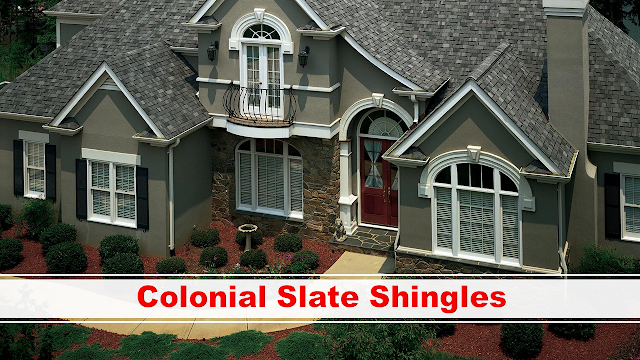
Many homes in the United States use Colonial Slate shingles as their roofing material. They are famous for their classic, elegant look and are commonly produced using asphalt. The advantages and disadvantages of Colonial Slate shingles will be discussed in this blog post, along with their color and suitability for various climates.

Color:

Colonial Slate shingles have a particular grayish-blue variety that is suggestive of natural slate. This color gives your home a sophisticated and timeless appearance and works well with a variety of architectural styles, from traditional to modern.

Weather Suitability:

The Colonial Slate shingles are made to withstand severe weather. They have a Class 4 impact rating, which indicates that they can withstand hailstorms and high winds, in addition to a Class A fire rating, which indicates that they are resistant to fire. Additionally, these shingles are resistant to the growth of algae, which is a common issue in humid environments.

Advantages:

The affordability of Colonial Slate shingles is one of their greatest advantages. They are more affordable than normal slate shingles, but still give a comparable look. Additionally, they are light, making installation simpler and reducing the need for additional roof support.

Their durability is another benefit. With proper care, including regular cleaning and inspection, Colonial Slate shingles can last for up to 30 years. Because individual shingles can be replaced without having to replace the entire roof, they are also simple to repair if they become damaged.

Drawbacks:

Colonial Slate shingles do have some disadvantages, despite their numerous advantages. They are not as environmentally friendly as some other roofing materials, which is one of the biggest disadvantages. Asphalt shingles are made from petroleum products, which are not renewable resources, and they likewise add to landfill waste when they are replaced.

Colonial Slate shingles may not be suitable for all climates, which is another drawback. In regions with extreme heat, the shingles might become fragile and break over the long run, and in regions with heavy snow, they will be unable to help the heaviness of the snow.

Conclusion:

In general, Colonial Slate shingles are a popular and appealing choice for many homeowners' roofing needs. Their classic appearance, durability and affordability go with them an incredible decision for many architectural styles. But before deciding, it's important to think about how they will affect the environment and whether they will work in your climate. You can determine whether Colonial Slate shingles are the right choice for your home by weighing the benefits and disadvantages.

Monday, April 10, 2023

Miniature Masterpieces: How to Install Roof Shingles For Dollhouse


Getting the roof right can be difficult, but building a dollhouse is a fun and rewarding hobby. We'll go over the world of dollhouse roof shingles in this blog post, and we'll give you advice on how to make the perfect miniature roof.

Do you want to give your dollhouse project a final touch? Dollhouse shingles can elevate your creation to the next level with a well-crafted roof and we'll give you advice on how to make the perfect miniature roof.

Types of Dollhouse Roof Shingles

There are several distinct kinds of dollhouse roof shingles to choose from. The most famous choices are:

  1. Wood Shingles: For dollhouse roofs, wood shingles are a common choice. They can be stained or painted to match the rest of the dollhouse and have a natural appearance.
  2. Asphalt Shingles: Asphalt shingles are a common choice for modern dollhouses. They arrive in different varieties and can be handily sliced to fit any roof shape.
  3. Plastic Shingles: Dollhouse roofs can benefit from the durability and affordability of plastic shingles. They can be easily installed with glue or double-sided tape and come in a variety of styles and colors.

Choosing the Right Shingles for Your Dollhouse

There are a few things to think about when selecting the right shingles for your dollhouse's roof. Consider your dollhouse's style and era first. Wood shingles might be the best option if you're building a Victorian-era dollhouse. For example, asphalt or plastic shingles might work better for a modern dollhouse.

Then, think about the size and state of your roof. Some shingles work better on sloped roofs while others work better on flat roofs. Be sure that you carefully measure your roof before selecting shingles that will fit.

Finally, consider your budget. Because wood shingles can be more expensive than asphalt or plastic shingles, you should make sure that the shingles you choose are within your price range.

Tips and Tricks for Installing Dollhouse Shingles

Installing dollhouse shingles can be a delicate process, but with the right tools and methods, you can get a finish that looks professional. Here are some tips and tricks for doing so:

  • Utilize the Right Tools: A craft knife, scissors, and a ruler are all necessary for installing dollhouse shingles. A couple of tweezers can likewise be useful for putting individual shingles.
  • Start at the Bottom: While installing shingles, it's ideal to begin at the base and move gradually up. As a result, a waterproof seal will be created by ensuring that each row of shingles overlaps the row below it.
  • Cut Shingles Carefully: Use a craft knife or scissors to precisely cut shingles to fit your roof if you need to. To avoid damaging the shingles, take your time and cut slowly.
  • Use Tape or Glue: Double-sided tape or a small amount of glue can be used to hold the shingles in place. To prevent excess glue or tape from showing on the finished roof, use the adhesive sparingly.
  • Add More Details: Whenever you've installed your shingles, you can add detailing to make your roof look much more reasonable. Paint or markers can be used to add weathering or make a multicolored shingle look.

Conclusion

The process of creating the ideal dollhouse roof using shingles is both satisfying and enjoyable. You can take your dollhouse project to the next level by selecting the right shingles for it, carefully measuring and installing them, and adding details to give it a realistic finish. With a little bit of patience and imagination, you can make a miniature roof that will make your fellow dollhouse enthusiasts jealous, whether you use plastic, asphalt, or wood shingles.

A well-constructed roof can shield the dollhouse's interior from dust and debris in addition to enhancing its aesthetic appeal. With the right shingles and establishment strategies, you can make a waterproof seal that will keep your dollhouse looking perfect for quite a long time into the future.

So why not add some rooftop shingles to your next dollhouse project? A miniature roof made of shingles is a great way to give your dollhouse character and charm, whether you're a seasoned builder or just starting out. So, grab some shingles, spark your creative juices, and get ready to make a miniature masterpiece that will make your friends and family envious.

FAQs:

What materials are needed to install roof shingles on a dollhouse?

To install roof shingles on a dollhouse, you will need shingles, a utility knife, a ruler, roofing cement or adhesive, and a paintbrush.

How do I prepare the dollhouse roof for shingles?

First, ensure that the roof is clean and free of debris. Then, use a ruler to mark out the shingle pattern and cut any necessary openings for vents or chimneys.

How do I install the shingles on the dollhouse roof?

Start at the bottom edge of the roof and apply a layer of roofing cement or adhesive. Place the first shingle on top and press down firmly. Continue working your way up the roof, overlapping each row of shingles slightly.

Can I use regular roofing shingles on a dollhouse?

Regular roofing shingles are often too large for dollhouses and may not look proportionate. It is best to use shingles specifically designed for dollhouse roofs.

How do I cut the shingles to fit on the dollhouse roof?

Use a utility knife to carefully cut the shingles to the desired size and shape. Be sure to measure and mark the shingles beforehand to ensure a clean, precise cut.

Do I need to seal the shingles on a dollhouse roof?

It is not necessary to seal dollhouse roof shingles, but you can apply a coat of clear sealant or varnish for added durability and protection.

How long does it take to install shingles on a dollhouse roof?

The time it takes to install shingles on a dollhouse roof will depend on the size of the roof and the complexity of the shingle pattern. It can take anywhere from a few hours to a few days to complete.

Protecting Your Home and Family with Roof Shingle in Bradenton, FL


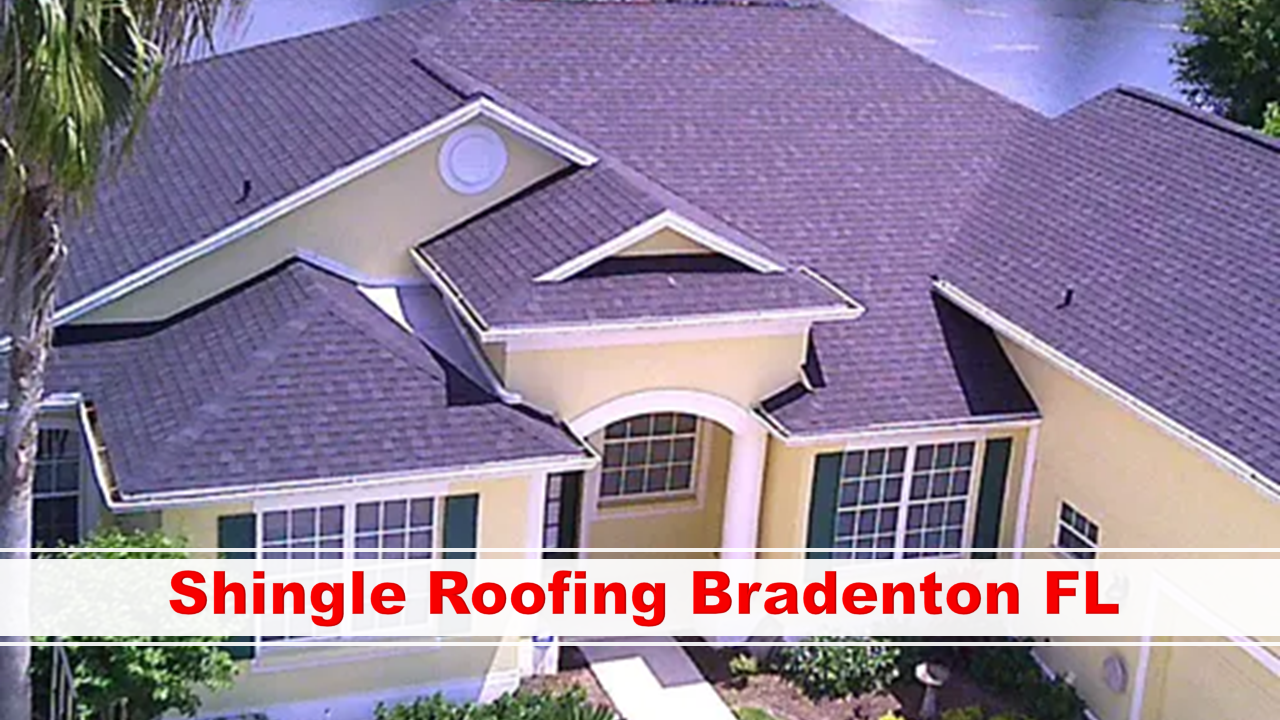
Find out how the harsh weather in Bradenton, FL can be sheltered from by shingle roofing. Find out why shingle roofing is the best option for your home's roofing and the advantages it offers.

Being a resident of Bradenton, Florida, you are no stranger to harsh weather. Your family and home need the best protection possible in the face of heavy rain, strong winds, and extreme heat. Installing shingle roofing is one of the best ways to ensure your safety and security.

We'll talk about the benefits of shingle roofing, how it can protect your family and home, and why it's the best roofing choice for Bradenton, FL homeowners in this blog.

Benefits of Shingle Roofing

For a very good reason, shingle roofing has long been a popular choice for roofing. Shingle roofing offers the following benefits:

  1. Affordability: Shingle roofing is one of the least expensive options for roofing. It's less expensive than metal or tile material, going with it a magnificent decision for homeowners on a low budget.
  2. Durability: Shingle roofing is extremely long-lasting and can withstand severe heat, strong winds, and heavy rain. Shingle roofing can last for up to 30 years with proper care.
  3. Easy Installation: Because shingle roofing is relatively simple to install, you can install your new roof quickly.
  4. Aesthetics: Shingle material arrives in different styles, varieties, and surfaces, making it simple to track down the ideal protection for your home's feel.

How Shingle Material Can Safeguard Your Home and Family

Shingle material is intended to furnish your home and family with insurance from brutal atmospheric conditions. Shingle roofing protects your home and family in the following ways:

  • Water Protection: Since shingles are made to quickly shed water, water damage to your home's interior is prevented. You won't have to worry about water damage or leaks if you have a shingle roof that has been installed correctly. 
  • Wind Protection: Shingle material is unquestionably wind-safe, pursuing it a phenomenal decision for property holders in regions with high breezes. The shingles are intended to remain set up areas of strength for during of wind, decreasing the risk of roof damage and shielding your home from the elements.
  • Heat Protection: Because shingles are made to reflect heat, they can help keep your home cooler in the sweltering summer months. As a result, you and your family may be able to live more comfortably and pay less for energy.

Why Shingle Roofing is the Best Choice for Homeowners in Bradenton, FL

Now that you understand the benefits of shingle roofing and how it can safeguard your family and property, let's take a closer look at why it is the best choice for Bradenton, FL homeowners.

  • Weather Resistance: As we mentioned earlier, Bradenton, Florida, experiences severe weather that includes high temperatures, strong winds, and a lot of rain. Shingle roofing is the best choice for Bradenton, FL homeowners because it is built to withstand all these weather conditions.
  • Affordability: One of the most cost-effective roofing options is shingle roofing, as previously stated. As a result, it's a great option for homeowners on a tight budget who still want to keep their family and home safe.
  • Aesthetics: Shingle roofing comes in a wide range of designs, colors, and textures, making it simple to choose one that complements the aesthetics of your home. This could make your house look better from the street and make it worth more.
  • Simple to Maintain: Because shingle roofing requires little maintenance, you won't have to spend a lot of time or money on repairs. Keeping your shingle roof in good condition and cleaning it on a regular basis can help it last longer and keep your home and family safe.
  • Local Availability: Since shingle roofing is readily available in Bradenton, FL, the installation of your new roof won't take long. Local roofing companies have years of experience installing shingle roofs and can advise you on the best options for your home's roofing.

Final Thoughts

Bradenton, FL homeowners who want to shield their homes and families from harsh weather should consider shingle roofing. It is the best option for Bradenton, FL homeowners due to its weather resistance, aesthetics, and easy maintenance, as well as its affordability, durability, and easy installation.

Choose a reputable roofing company with experience installing shingle roofs if you are thinking about installing shingle roofing on your home. In addition to ensuring that your new roof is installed and maintained correctly, they can offer expert guidance on the best roofing options for your house. With a shingle roof, you can rest assured that your family and home are safe from the elements and that your investment will be well-protected for many years to come.

FAQs:

 What are the most common types of roof shingles in Bradenton, FL?

The most common types of roof shingles in Bradenton, FL, are asphalt shingles, metal shingles, and tile shingles.

How long do roof shingles typically last in Bradenton, FL?

The lifespan of roof shingles in Bradenton, FL, depends on the type of shingle and the quality of the installation. Asphalt shingles typically last 15-30 years, metal shingles can last 50+ years, and tile shingles can last 50-100+ years.

How can I tell if my roof shingles need to be replaced in Bradenton, FL?

Signs that your roof shingles may need to be replaced in Bradenton, FL, include curling or buckling shingles, missing shingles, granules in the gutter, and visible damage to the shingles.

How much does it cost to replace roof shingles in Bradenton, FL?

The cost to replace roof shingles in Bradenton, FL, varies depending on the size and complexity of the roof, the type of shingle, and the cost of labor. On average, homeowners in Bradenton, FL, can expect to pay $3-5 per square foot for asphalt shingles, $7-10 per square foot for metal shingles, and $10-15 per square foot for tile shingles.

Can I install roof shingles myself in Bradenton, FL?

It is possible to install roof shingles yourself in Bradenton, FL, but it is not recommended unless you have experience and knowledge of roofing techniques. Improper installation can lead to leaks, damage to the roof, and potential safety hazards.

How can I find a reputable contractor to install or replace my roof shingles in Bradenton, FL?

To find a reputable contractor to install or replace your roof shingles in Bradenton, FL, you can ask for recommendations from friends or family, research local companies online, check their reviews and ratings on reputable sites such as the Better Business Bureau, and ask for references from the contractor themselves. It is also important to verify that the contractor is licensed, insured, and bonded.

Do roof shingles come with a warranty in Bradenton, FL?

Yes, most roof shingles in Bradenton, FL, come with a manufacturer's warranty that covers defects and premature failure. The length and terms of the warranty vary depending on the type of shingle and the manufacturer.

Can I replace just a few damaged shingles, or do I need to replace the entire roof in Bradenton, FL?

It is possible to replace just a few damaged shingles in Bradenton, FL, if the damage is isolated and does not affect the overall integrity of the roof. However, if the damage is extensive or the roof is nearing the end of its lifespan, it may be more cost-effective in the long run to replace the entire roof.

How often should I have my roof inspected in Bradenton, FL?

It is recommended to have your roof inspected at least once a year in Bradenton, FL, to identify any potential issues before they become major problems. You should also have your roof inspected after any severe weather event, such as a hurricane or strong windstorm.

Can I install a new layer of shingles over the existing layer in Bradenton, FL?

It is possible to install a new layer of shingles over the existing layer in Bradenton, FL, but it is not recommended. The additional weight of the new shingles can put a strain on the roof structure, and the old shingles may not provide a stable base for the new layer. It is generally better to remove the old shingles before installing the new ones.

How can I maintain my roof shingles in Bradenton, FL?

Regular maintenance can help extend the life of your roof shingles in Bradenton, FL. This includes keeping the roof clean of debris, inspecting the roof for damage after severe weather, and addressing any issues as soon as they arise. It is also important to ensure that the roof is properly ventilated to prevent moisture buildup.

Why Won't My New Roof Shingles Lay Flat? Common Causes and Solutions

With the help of this informative blog post, discover the reason why your brand-new roof shingles may not laying flat and learn how to resolve the issue. To guarantee a safe and secure roofing system for your home, gain insight into typical causes and expert solutions.

If you recently replaced your roof shingles, you probably expected them to lay flat and offer maximum protection from the elements. But it's not uncommon to find that your shingles aren't lying flat, which can be a problem. It can have an impact on your roof's safety and functionality as well as its appearance.

Consequently, what causes new roof shingles to not lay flat, and how can this be fixed? Based on the expertise and experience of experts, we will look at the most common causes and possible solutions for this problem in this blog post.

Possible Causes for New Roof Shingles Not Laying Flat

1- Poor Installation

Proper installation is essential for ensuring that your new roof shingles lay flat. The shingles may not adhere properly or be installed at an incorrect angle if the contractor does not follow the manufacturer's instructions. This can make the shingles clasp, twist, or not lay level, which can prompt water leakage and different issues.

2- Weather and Temperature Changes

Changes in weather and temperature can also affect how the shingles on your new roof shingles lay. It's possible that your shingles won't have a chance to warm up and settle properly if they are installed in cold weather. On the other hand, if they are installed in hot weather, they might expand and contract, which could cause them to curl or buckle.

3- Type and Quality of Shingles

The type and quality of the shingles used can also influence whether they lay flat or not. Some shingle materials are more prone to buckling or curling than others, and lower-quality shingles may not adhere as well or be more susceptible to weather and other factors-related damage.

Solutions for New Roof Shingles Not Laying Flat

1- Contact Your Contractor 

If your new roof shingles aren't lying flat, the first thing you should do is contact your contractor. They should be able to look at the roof and figure out what's wrong. They may need to inspect or adjust to ensure that the shingles adhere and lay flat if the problem is caused by poor installation.

2- Consider the Weather

Assuming your shingles are impacted by temperature or weather conditions transform, you might have to hold on until conditions are better prior to resolving the issue. The best course of action can be determined by your contractor, who may also suggest adding additional nails or adhesive to improve the shingles' adhesion.

3- Choose High-Quality Shingles

If the issue is caused by the type or quality of the shingles used, you may need to replace them with shingles of a higher quality that are more resistant to problems like curling and buckling. You can get help from your contractor in selecting the best shingle material for your requirements and budget.

4- Address Underlying Issues

In some cases, new roof shingles that do not lay flat may be a sign of underlying issues like damaged roofs or inadequate ventilation. Your contractor can assist you in identifying these issues and offer suggestions for fixing them, such as replacing roofing materials that are worn or damaged, enhancing ventilation, or adding insulation.

Conclusion

If you're having problems with your new roof shingles not lying flat, you need to fix them as soon as possible to keep your roofing system safe and working properly. You can collaborate with your contractor to determine the best course of action for your home by comprehending the typical causes and solutions of this issue.

There are a few things you can do to ensure the safety and longevity of your roof in addition to dealing with the problem of new roof shingles not lying flat. These include regular inspections and maintenance, resolving any issues promptly, picking great materials and expert installation.

You can guarantee that your roofing system will provide maximum protection and peace of mind for many years to come by following these steps. Don't be afraid to get in touch with a reputable roofing contractor for advice and support if you're installing new roof shingles or are having problems with your current roof. With expert advice and quality workmanship, you can enjoy a safe and functional roofing system that provides long-lasting value for your home.

FAQs:

Do new shingles lay flat?

Your new layer won't lay flat either if the previous shingles don't. That is on the grounds that shingles are intended to adjust to the surface underneath them. This can likewise keep the new shingles from appropriately sticking to the current rooftop layer, leaving knocks and lumps in your rooftop.

Are new shingles supposed to lift up?

In the event that you notice that a few shingles are beginning to lift, you ought to call a material organization to emerge and evaluate the rooftop. Even if it's just a few loose or lifting shingles, it needs to be fixed right away.

What method of shingles laying?

Step shingling and racking are the two most common methods of shingle installation. The process of installing shingles in a vertical line from the ledge to the roof's peak is known as racking or vertical racking.

Why don't my brand-new shingles lay flat?

Black-top shingles mellow in the intensity, which makes the shingles cling to each other. That flat appearance is caused by this. Your shingles may appear lumpy if they have not yet fused together. However, this issue typically goes away on its own when the shingles soften, which typically occurs during the warmer months.

Why are my new shingles falling off?

The most widely recognized reasons for shingles tumbling off incorporate high breezes, proprietors strolling on their rooftops, an unfortunate shingle establishment work, shingles getting excessively told, and hail. Shingles are made to stay on your roof even when normal winds come through. However, even high-quality shingles can occasionally be blown off or damaged by strong winds.

Sunday, April 9, 2023

From Cost to Climate: Choosing Between Blue and Brown Roofing Shingles in the USA and Europe

When choosing between blue and brown roofing shingles, selecting the right roofing shingles can be a daunting task. We will look at the advantages and disadvantages of both colors, as well as their prices in the United States and Europe, so that you can make an informed decision.

Choosing the right color for your shingles is one of the most crucial decisions you'll make when it comes to roofing. Numerous homeowners consider the popular colors blue and brown. Which is better for your climate, though? In this blog, we will examine the advantages and disadvantages of blue and brown roofing shingles, as well as their prices in the United States and Europe.

Blue Roofing Shingles:


If you want to give your house a touch of class, blue roofing shingles are a popular choice. The exterior of your home can be given a cool and calming effect by using blue roofing shingles, which come in a variety of colors, from light blue to dark blue. Because they reflect more heat and sunlight, blue shingles are also said to be more energy efficient than other colors. This can help to reduce your energy bills during the hot summer months.

However, blue roofing shingles have a few drawbacks. Blue shingles can become discolored over time, particularly in places with a lot of sunlight. Your roof may appear patchy and uneven because of this. Due to their popularity, blue shingles can also be more expensive than other colors.

Brown Roofing Shingles:


Brown roofing shingles are a timeless option that can give your home a sense of sophistication and warmth. Brown roofing shingles arrive in various colors, from light brown to dark brown, and can supplement the scope of home styles. Additionally, brown roofing shingles are more durable they hide the dirt and debris than lighter colors.

However, there are additionally a few drawbacks to brown roofing shingles. Brown roofing shingles can absorb more heat than other colors, which can cause your home to feel more sweltering during the summer months. As you attempt to keep your home cool, this may result in higher energy costs. Additionally, algae growth may be more likely to occur on brown shingles, which over time may become discolored.

Which One is Better for Your Climate?

Therefore, which one is more suitable for your climate: Are brown or blue roofing shingles better? The response varies based on your location and local climate.

Blue roofing shingles might be a better choice for you if you live in an area with a lot of sunshine and heat, like Arizona or Florida. Blue shingles can help keep your home cooler and save you money on energy by reflecting more heat and sunlight. Nonetheless, if you live in a cooler environment, for example, Minnesota or Maine, Brown roofing shingles might be a superior choice for you. Brown roofing shingles can help keep your home warmer in the winter by absorbing more heat.

Costs in the USA and Europe:

Depending on where you live, the prices of brown roofing shingles and blue roofing shingles may differ. Blue roofing shingles cost between $70 and $120 per square foot in the United States, while brown roofing shingles cost between $60 and $100 per square foot.

Blue roofing shingles cost between €50 and €90 per square meter in Europe, while brown roofing shingles cost between €40 and €80 per square meter. Nonetheless, it's critical to take note of that these costs are just gauges and can fluctuate relying upon factors like the size of your roof and the complexity of the installation.

Final Thoughts:

It can be challenging to choose between brown roofing shingles and blue roofing shingles. The two colors enjoy their benefits and disadvantages, and it eventually descends to your own choice and the environment in your space. Before making a decision, it is essential to consider the advantages and disadvantages of each color over time.

If you're still unsure which color is right for your home, consider consulting with a roofing professional. They can help you figure out what you need and tell you which color and type of shingles are best for your climate and budget.

In conclusion, brown roofing shingles are renowned for their warmth and durability, while blue roofing shingles are favored due to their energy efficiency and elegant appearance. Before making a decision, it's important to do your homework and compare prices because the prices of both colors can vary based on where you live and other factors. You can protect your home and improve its curb appeal for many years to come with the right color and type of shingles.

FAQs:

What are the 3 types of shingles used when roofing?

Shingles for different kinds of roofs Strip shingles, dimensional shingles, and luxury shingles are the three main types of asphalt roofing shingles currently available. In order to select the appropriate product for your home, it is essential to comprehend the distinctions between the various kinds of roofing shingles.

Does a brown roof go with blue siding?

Sky blue and other lighter blues, which pair well with a dark brown roof, can brighten even the darkest of homes. Consider a blue with gray undertones if you notice grey undertones in your shingles.

Is brown a good roof color?

An unconventional variety could likewise make it harder to exchange your property not too far off, which is the reason it's ideal to adhere to unbiased tones. Colors like cream, tan, brown, gray, or black are thought to be safe and will always be in style.

What is most popular roof color?

It's easy to see why pewter gray is the most popular color for shingles. It's an unpretentious, complex, light dark variety that looks perfect on current homes. Because it can be used with almost any other color on the exterior of your home, pewter gray is considered neutral.

Saturday, April 8, 2023

Top Roofing Trends: Exploring the roof shingles colors most popular in the USA and Europe

Which are top roofing trends and roof shingles colors most popular are currently all over the world? Discover the top roofing trends in the USA, Europe and across the Globe.

Roof shingles add value to your home's appearance while also protecting it from the elements. However, choosing the right shingles can be overwhelming, particularly for first-time homeowners, because there are so many different colors and designs to choose from. We researched and compiled a list of the top roofing trends and roof shingles colors most popular in the world, including in the United States and Europe, so that you can make an informed choice.

1- Black: A Timeless Classic


Black roof shingles have been regarded as a "timeless classic" for many years, and homeowners continue to favor them. Black shingles are an excellent choice for homes with a minimalist aesthetic because they give off a sleek, modern look. Black shingles are also a versatile option for homeowners who want to give their homes a touch of elegance because they go well with virtually any other color.

2- Gray: A Sophisticated Choice


Gray roof shingles have recently gained popularity, particularly in Europe. Gray is a great option for homeowners who want a sophisticated appearance without being too bold. Gray shingles are available in a variety of shades, from light silver to dark charcoal, giving homeowners a choice. Gray shingles can also go well with bolder colors like red and blue, as well as other neutrals like white, beige, and cream.

3- Brown: A Warm and Cozy Choice


Brown roof shingles are a popular choice for homeowners who want to make their home feel warm and cozy atmosphere. Earthy colored shingles come in different shades, from light tan to dim chocolate, furnishing property holders with many choices to look over. Shingles in brown work well with earthy tones like beige and green, as well as bolder hues like red and blue.

4- Red: A Bold Statement 


Red roof shingles are a daring choice that can give your home a touch of drama and personality. From bright brick red to deep burgundy, red shingles are available in a variety of shades, giving homeowners a choice. The warm tones of orange and yellow, as well as the cooler tones of blue and green, go well with red shingles.

5- Blue: A Peaceful Choice


Blue roof shingles are an excellent option for homeowners who want to create a peaceful environment. From light sky blue to dark navy, blue shingles are available in a variety of shades, giving homeowners a choice. Shingles made of blue work well with other cool tones like white and gray, as well as warm tones like red and yellow.

6- Green: A Natural Option


Green roof shingles are a natural option that can help your home blend in with the surrounding environment. From light mint green to dark forest green, green shingles are available in a variety of shades, giving homeowners a choice. Shingles in the green color work well with earthy tones like brown and beige as well as brighter hues like red and yellow.

Conclusion

Picking the right rooftop shingle tone can be challenging, yet by considering the top roofing trends and roof shingles colors most popular across the globe, you can settle on an educated choice that meets your own style and preferences. There is a shingle color for every homeowner, and they range from timeless classics like black to bold statements like red. You can protect your home from the elements while also enhancing its aesthetic appeal by choosing the right color.

FAQs:

What is the most popular roofing color?

Dark brown, black, or dark gray frequently are the top picks! Blue Siding: Blue siding is a popular choice for new homes and goes well with dark shingles, such as black, gray, or even dark brown.

What Colour is best for roof shingles?

House Color

Best Matching Roof Shingle Color

Beige/Cream

Brown, Black, Grey, Green, Blue

Brown

Grey, Brown, Green, Blue

White

Almost any color including Brown, Grey, Black, Green, Blue, White

Weathered Wood or Log Houses

Brown, Green, Black, Grey

What is the most popular roof shingle?

Guide to the Best Roof Shingles and the Top 7 Shingle Brands (2023).

  • Malarkey's 
  • IKO.
  • Corning Owens.
  • TAMKO.
  • Atlas.
  • CertainTeed.
  • GAF.

The Art of Shingle Plant Construction: Tips and Tricks for a Successful Build

Shingle plants supply roofing and siding materials that are both cost-effective and long-lasting, making them an essential part of the construction sector. Learn more about shingle plants, their prices, and the best varieties for construction projects.

Shingle plants are an important part of the construction industry because they make roofing and siding materials for buildings that are long-lasting and affordable. They come in a variety of designs and styles, each with its own advantages and features. In this article, we will discuss shingle plants exhaustively, including their expense per square foot in the USA and Europe, the best shingle plants for construction, and the different construction materials produced using shingle plants.

What exactly is a Shingle plant?

A manufacturing facility known as a "shingle plant" uses a variety of materials, such as slate, asphalt, and wood, to make shingles. The construction industry makes use of the produced shingles for siding and roofing. Shingle plants use advanced manufacturing methods to produce products of the highest quality and lasting value.

Cost of Shingle Plants in the United States and Europe

The cost of shingle plants varies based on the kind of shingle and how it is made. In the USA, the expense of shingles goes from $0.80 to $5 per square foot, depending on the material and nature of the shingle. Depending on the kind and quality of the shingle, it costs between €1 and €6 per square meter in Europe.

The Best Shingle Plants for Construction

Many types of shingle plants are used in construction, including asphalt, wood, and slate shingle plants. The climate, building design, and budget all play a role in determining the best shingle plant for a construction project. The advantages of the three most widely used varieties of shingle plants are as follows:

  1. Asphalt Shingle Plants: The most prevalent type of shingle plant used in construction is asphalt shingle plants. They are a great option for most residential and commercial construction projects because they are affordable, long-lasting, and simple to install.
  2. Wood Shingle Plants: Wood shingle plants are an excellent option for buildings and homes with a natural or rustic aesthetic. Although they are more expensive than asphalt shingles, they provide superior soundproofing and insulation.
  3. Slate Shingle Plants: Slate shingle plants are the most costly yet in addition the most solid and durable choice. They are perfect for buildings in areas with severe weather, like hurricanes or a lot of snow.

Types of Construction Materials Produced from Shingle Plants

Shingle plant produces different development materials, including material and siding materials. The most typical products made from shingle plants are as follows:

  1. Roofing Shingles: The most widely used building material produced by shingle plants is roofing shingles. They protect a building's roof from the elements by covering it. Asphalt, wood, and slate are just some of the materials used in roofing shingles manufacturing at shingles plants.
  2. Siding shingles: A building's exterior walls are covered with siding shingles. They keep out the elements and provide insulation. Shingle plants use a variety of materials, including redwood, cedar, and pine to make siding shingles.
  3. Shake Shingles: Shake shingles are a type of split log-based wooden shingle. They provide superior insulation and soundproofing and are thicker than standard shingles.

Conclusion

Shingle plants are an important part of the construction industry because they make roofing and siding materials for buildings that are long-lasting and affordable. They come in a variety of designs and styles, each with its own advantages and features. We have examined shingle plants in depth in this article, including their cost per square foot in the United States and Europe, the best shingle plants for construction, and the various shingle plant-based construction materials. Considering things like climate, building design, and budget, it's important to think about the kind of shingle plant and construction material that will work best for a particular building project.

Shingle plants provide a wide selection of roofing and siding materials at prices that are both reasonable and long-lasting, making them ideal for both residential and commercial construction projects. Builders can ensure that their projects are not only aesthetically pleasing but also able to withstand time and the elements by selecting the appropriate shingle plant and construction material.

In conclusion, shingle plants are an essential part of the construction industry because they provide a wide range of roofing and siding materials at prices that are both reasonable and long-lasting. Builders and professionals in the construction industry can make well-informed choices about the best shingle plants and building materials for their projects with the information in this article. Builders can ensure that their projects are not only visually appealing but also long-lasting and reliable by selecting the appropriate shingle plant and building material.

FAQs:

Is shingle plant rare?

The "shingle plant," also known as the Rhaphidophora Hayi (ra-fi-do-fora ha-yee), is a rare climbing plant that probably has a slightly different appearance than the majority of other vines. The Rhaphidophora Hayi's ovoid, dark green leaves, in contrast to those of most other aroids, only reach a length of about 5 inches.

Where are shingle plants from?

Shingle Plant is a one-of-a-kind and fascinating climber that is native to southeast Asia. When it climbs, it covers any vertical surface with its 2" leaves.

Is a shingle plant a Monstera?

Monstera dubia, also known as the shingle plant, is another climbing vine that can be grown as a houseplant. With its silvery leaf veining, it resembles Rhaphidophora cryptantha quite a bit.

Friday, April 7, 2023

Expert Tips on Ridge Cap Shingles: Installation, Benefits, and Costs Explained for Homeowners

Ridge cap shingles are an essential component of any roofing system, but homeowners may find them difficult to understand. We'll talk about ridge cap shingles, how they differ from regular shingles, how much they cost to install in the US and Europe, and the advantages and disadvantages of using them in this blog.

There are a lot of different kinds of shingles to choose from when it comes to roofing. Ridge cap shingles, on the other hand, are one type that is frequently overlooked. Shingles known as ridge cap shingles are used to cover a roof's peak, which is the point where two sloping sides meet. They are a fundamental piece of any material framework; however they can be mistaking for property holders who are curious about them.

In this blog, we will make sense of what edge cap shingles are, the way they vary from standard shingles, the expense of installation in the USA and Europe, and the advantages and hindrances of utilizing them.

How do Ridge Cap Shingles work?

A particular kind of shingle known as ridge cap shingles is made to cover a roof's ridge. Typically, they are constructed from the same material as standard shingles, such as asphalt, metal, or wood. Shape and size are what distinguish ridge cap shingles from regular shingles.

Ridge cap shingles are intended to be installed over the roof's ridge and typically have a rectangular shape. They are typically thicker than standard shingles and have tapered ends for a finished appearance. Installing ridge cap shingles can be accomplished with either adhesive or nails.

Regular shingles vs. Ridge Cap Shingles

 Ridge cap shingles are made to cover the peak of the roof at the point where the two sloping sides meet. They can be found in a variety of sizes and materials and have a rectangular shape. On the other hand, Regular shingles are made to cover a roof's sloping sides.

Roof ridges can be covered with regular shingles, but ridge cap shingles are more effective. Because regular shingles do not have ends that are tapered, they do not protect as well from wind and rain as ridge cap shingles do.

Cost of Installing Ridge Cap Shingles in the United States and Europe

The cost of installing ridge cap shingles varies based on several factors, such as the size of the roof, the type of material used, and the property's location. The cost of installing in ridge cap shingles in the United States ranges from $3 to $5 per linear foot.

In Europe, the expense of introducing Ridge cap shingles changes relying upon the country. For instance, the installation of ridge cap shingles costs approximately £45 per linear meter in the United Kingdom. The price per linear meter in France is approximately €50.

Advantages of Using Ridge Cap Shingles

There are a several advantages to using Ridge cap shingles, including:

  1. Protection Enhancement: Ridge cap shingles give better insurance against wind and rain than normal shingles. Ridge cap shingles prevent water from getting under the shingles and into the roof.
  2. Attractive to the Eye: Shingles with ridge caps give the roof a finished appearance. They are made to look like the regular shingles and match their color and style, giving the property a more cohesive appearance.
  3. Increased Lifespan: Due to their superior resistance to the elements and thickness, ridge cap shingles can last longer than regular shingles.

While there are numerous advantages to using ridge cap shingles, there are also some drawbacks to keep in mind, including:

  1. Cost: Ridge cap shingles are more costly than regular shingles.
  2. Installation: Installing ridge cap shingles is more difficult than installing regular shingles. This can make installation more difficult and time-consuming, which can increment work costs.
  3. Maintenance: Ridge cap shingles can be more challenging to maintain than standard shingles. They can be harder to access for replacement or repairs because they cover the roof's peak.

Procedure for Installing Ridge Cap Shingles

The procedure for installing ridge cap shingles varies depending on the roofing material and style. In general, the following steps are involved in the installation process:

  1. Preparing the roof: The roof must be prepared by removing any previous shingles and debris prior to installing the ridge cap shingles. The roof should be spotless and free of all debris.
  2. Cutting and measuring: The ridge cap shingles must be cut and measured to fit the roof's peak. They should be somewhat longer than the top to take into consideration cross-over.
  3. Adhesive application: Before the ridge cap shingles are installed, adhesive should be applied to their back. This helps to create a strong bond between the shingles and the roof.
  4. Installing the shingles: The Ridge cap shingles should be installed over the peak of the rooftop, start working at one side towards the other. The shingles can be fastened in place with nails or adhesive.
  5. Finishing touches: To prevent water from entering the home after the ridge cap shingles have been installed, any nails that remain should be covered with roofing cement.

Conclusion:

In conclusion, any roofing system would not be complete without ridge cap shingles. They give the property more protection from the wind and rain and give it a finished look that makes it look better from the street. Notwithstanding, they are more costly than regular shingles and require a more complex installation process. Homeowners should consider the advantages and inconveniences of using Ridge cap shingles before making a decision.

Consider the size of the roof, the type of material used, and the property's location when calculating the cost of installing ridge cap shingles. Even though it might cost more than regular shingles, the better protection and longer lifespan might make it worth the extra money.

Overall, homeowners who want their roofing system to look better and last longer should consider ridge cap shingles. Ridge cap shingles can provide protection for many years to come with proper installation and upkeep.

FAQs:

How many feet of ridge cap per bundle of shingles?

45-Pieces per Bundle 

What is the purpose of ridge capping?

A crucial component of any roof that is well-sealed is the ridge cap. Ridge capping prevents water and wind from getting underneath your roofing tiles or sheets through the highly exposed and vulnerable ridge seam, which is why it is usually the last feature added to your roof. However, it is extremely important that it is done correctly.

What are the different types of ridge cap shingles?

The two primary styles of ridge cap that we put on the most are Shadow Edge and Mountain Edge. These are compatible with any type of shingle, including the Presidential luxury shingle from regular shingle. The profile is what distinguishes these two ridge caps from one another.

What size are ridge cap shingles?

The high-stress areas of your roof—the hips and ridges—are well protected by TimberTex Premium Ridge Cap Shingles. It works with most ridge vents due to its 12" (305 mm) width.

Wednesday, April 5, 2023

How Much Does a Bundle of Shingles Weigh? A Comprehensive Guide

Have you ever mentioned that you wish to install new shingles on your roof but are unsure of how heavy the weight of shingles would be? Read on to learn everything you need to know about shingle bundle weight, including how it is affected by various factors and safety tips.

Before making any purchases, it is essential to know the weight of shingle bundles if you intend to install new shingles on your roof. The type of roofing materials you need to choose can be determined by the weight of a bundle of shingles, which can influence the total weight of your roof. We will provide you with all the information you require regarding the weight of shingle bundles in this comprehensive guide.

What is a Shingle Bundle?

It is essential to comprehend what a bundle of shingles is prior to delving into its weight. A collection of shingles packaged together and typically offered for sale by the manufacturer or supplier is referred to as a "bundle of shingles." The kind and brand of shingles can affect how many shingles are in a bundle.

Factors That Affect a Bundle's Weight There are a number of things that can affect a bundle's weight, including the following:

  1. Shingle type: Asphalt, wood, metal, or slate are just some of the materials that can affect a shingle's weight.
  2. Brand: Various brands might have varieties in the heaviness of shingle packs because of the sort of materials utilized, quality control cycles, and assembling guidelines.
  3. Thickness: Thicker shingles can be heavier than more slender shingles, bringing about more weight per pack.
  4. Size: The total weight of a bundle can be affected by the size of each shingle. It's possible that larger shingles weigh more than smaller ones, resulting in bundles that are heavier.

What is the weight of a bundle of shingles?

A bundle of shingles can weigh differently depending on the aforementioned factors. However, most bundles of asphalt shingles weigh around 65 pounds, with average bundle weights ranging from 50 to 80 pounds. Depending on the factors mentioned earlier, the weight of other kinds of shingles can range from 50 to 200 pounds per bundle.

Tips for Handling Shingle Bundles Safely When handling shingle bundles, it's important to follow safety rules to avoid getting hurt. Consider the following hints:

  1. Make use of safety gear: To shield yourself from dirt and dust, don a face mask, safety goggles, and gloves.
  2. Utilize Proper Lifting Methods: To avoid injury, lift shingle bundles with your legs rather than your back. Try not to lift weighty packages alone and look for help if necessary.
  3. Secure Shingle Groups: To avoid an accident or shingle bundles falling off the roof, make sure they are securely fastened.
  4. Make use of a roof conveyor: To avoid manually transporting shingle bundles up a ladder, think about using a roofing conveyor to lift them to the roof.

Conclusion:

In conclusion, the weight of a bundle of shingles can be affected by several factors, including the brand, type, thickness, and size of the shingles. To decide the kind of roofing materials required and to guarantee appropriate dealing with and establishment, it is crucial for now the heaviness of shingle packs. Follow safety precautions when handling shingle bundles to avoid injury and ensure that they are secured to prevent accidents. With this comprehensive guide, you will be able to select the appropriate shingles for your roofing project with confidence and guarantee a successful installation.

FAQs:

How much does 3 tab shingles weigh?

Because the flat layer of a three-tab shingle roof does not provide any kind of "dimensional thickness," They are lighter as a result. They are also less expensive than shingles for buildings. Three-tab shingles can withstand winds up to 60 miles per hour with an average weight of 240 pounds per square foot.

What is the average weight of a shingles?/How much does a square of shingles weigh?

Three-tab asphalt shingles weigh between 230 and 250 pounds per square, while architectural asphalt shingles typically weigh between 400 and 430 pounds per square. The average weight of a square of slate shingles is 800-1,000 pounds.

What size is a bundle of shingles?

Shingles are typically sold in packages of 29 and measure 12 by 36 inches. Most shingles come 3 packs to a square — which is equivalent to 100 square feet. Thus, each bundle covers approximately 33 square feet.

How do you calculate bundles of shingles?

You would require 72 bundles of shingles for the 2400 square foot gable roof example (24 squares x 3 bundles per square = 72 bundles). A bundle is a set of roofing shingles. One square of roofing (98.4 sq. ft.)